
 EN
EN
DIY tips for styling and organizing a small display rack.
So you have a small display rack, perhaps in a craft booth or a boutique. One of your first thoughts is likely how to make it look good with such limited space. This is an extremely common challenge. When a small display rack is cramped and cluttered, it can feel chaotic and discourage customers from taking a closer look. But the good news is that a small space is not a limitation. With creative thinking and smart styling, a compact display rack can be even more impactful. Its size encourages intentionality, pushing you to organize around a central theme. Rather than a collection of random items, a well-arranged display rack can tell a compelling visual story, whether showcasing products, collectibles, or personal treasures. The goal is to organize it so that every piece is visible without overlap. Let's explore some helpful tips to style your small rack effectively.
How to Style a Small Display Rack
A common mistake when styling a small display rack is trying to fill every hook, shelf, and cubby to its maximum capacity. When too many pieces are on display, it becomes difficult for any single item to stand out. Begin this DIY project by taking everything off your rack and adopting the mindset of a "ruthless editor." Be highly selective, including only your most interesting, visually appealing, and best-selling pieces—those that tell the most important part of your story. For a retail rack, avoid using every single item; instead, build your display from a single color story or a cohesive product line. For a home display, choose items connected by a common thread, such as a shared color palette, material (all wood or all ceramic), or theme (like vintage cameras or travel souvenirs).
This curation technique provides essential visual "breathing room." Space between objects allows the eye to rest and makes each piece feel more significant and valuable. Think of your display rack as a gallery wall: you wouldn't cover every square inch with frames. Apply the same principle here. By paring down to a carefully chosen selection, you quickly create a sense of order and elevate the perceived value of everything on display. Remember, on a small rack, every item is a focal point. Ensure each piece truly deserves that spotlight.
Playing with Height and Layers
A flat, one-dimensional display is the quickest way to make a small space feel boring. To create a sense of depth and abundance, you need to think vertically and in layers. This is a great DIY trick for adding visual interest. Make sure you are utilizing the full height of your display rack; avoid letting all items sit at the same eye level.
Start by building a solid foundational layer for your shelves. This could involve adding a textured fabric runner, placing a small wooden crate on its side, or stacking a few books. From there, build upwards. Use decorative risers, inverted bowls, vases, or tiered display stands to lift smaller items. A piece of jewelry displayed on a dedicated stand looks more luxurious than one lying flat. Placing a scented candle on a vintage cake stand transforms it into a miniature sculpture. For garment racks, use multi-tiered hangers for scarves and consider adding a tall plant or decorative floor basket nearby. This layering technique maximizes your space, adds professional depth to your display, and creates a more dynamic and engaging look.
Engaging the Senses with Texture and Story
An engaging display should appeal to more than just sight. For your rack, introduce a variety of contrasting textures rather than filling it with items that all look the same. Simple DIY additions can infuse personality and help tell your brand's or your own story.
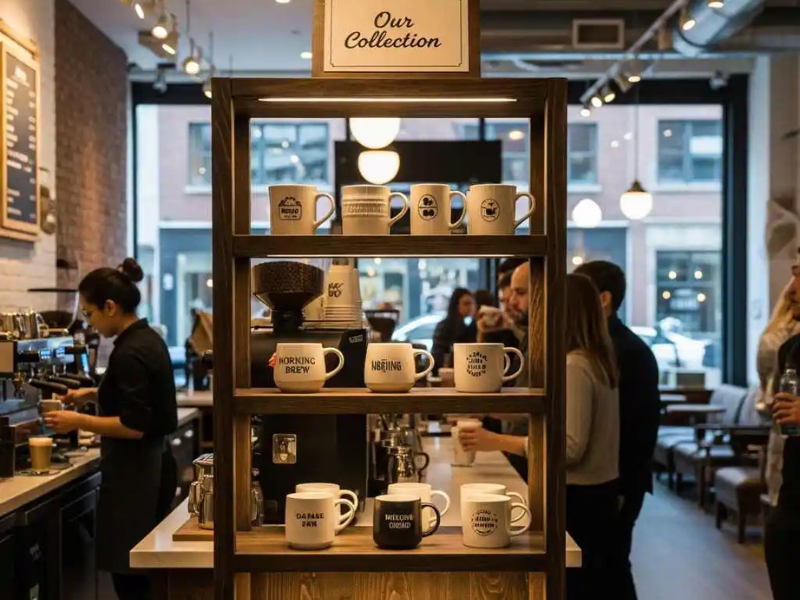
Incorporate warm and natural touches. A small, rustic woven basket holding rolled towels or bath products evokes a cozy, general-store feel. Smooth pieces of sea glass or small potted succulents beside ceramic mugs add an organic element. For a clothing rack, accessories like a felt hat on a hook or a leather bag draped on the side provide a pleasing material contrast to the fabrics.
Also, consider the rack itself and its surroundings. A plain rack can be transformed with a backdrop of peel-and-stick wallpaper or a fabric canopy made from a shower curtain. Even the hangers matter—matching wooden or velvet hangers look far more cohesive and classier than an assortment of plastic ones. These details occupy minimal product space but powerfully shape the narrative and atmosphere. They signal to the viewer, "This isn't just a collection of items; it's a curated experience."
Maintaining Interest with a Rotation System
Finally, to keep your small display rack exciting over time, you must introduce change. A display, no matter how beautiful, can eventually become "invisible" to regular customers or even to you at home. The simple DIY solution is to implement a rotation system. Think of your rack as a dynamic stage, not a static museum.
A key strategy is to keep a box or shelf nearby with a "backstock" of items you love but aren't currently showing. Set a reminder to refresh the display—weekly, bi-weekly, or with the change of seasons. In a retail context, this is crucial; it gives returning customers a reason to look again and signals that there is always something new. At home, it keeps your space feeling fresh and allows you to enjoy different treasures. This practice of regular rotation also ensures your display consistently represents your current best. A small display rack that changes periodically feels alive, thoughtfully curated, and invites repeated engagement.