
 EN
EN
How to assemble a portable display stand for trade shows?
Trade shows can be challenging. However, they give you an opportunity to make great first impressions by meeting potential clients, showcase your products, and differentiate your business from your competitors. On the other hand, there are trade show logistics and that can be stressful. You will need to show up and set up your entire booth display. That is where your portable display stand becomes the most valuable asset. They are built to be easily transported and, most importantly, easily assembled. But knowing what you are doing is key to saving yourself some valuable time and avoiding unnecessary stress. In this guide, let us cover the process step by step.
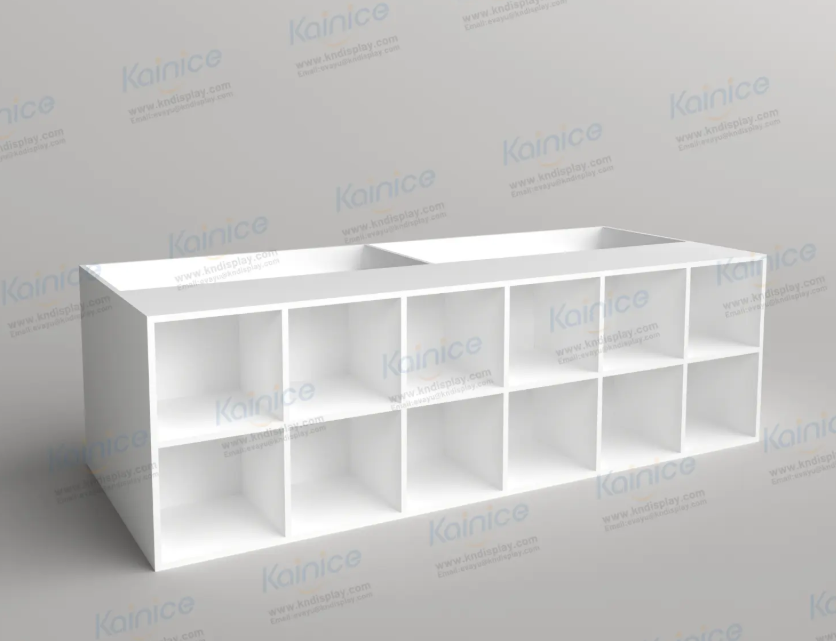
Starting Work While Still at the Office
Before showing up at the show, the real work has already begun. It never hurts to be a little prepared. First, try to locate your display stand's manual. I know, no one reads manuals, but trust me, a quick look while at home could easily spare you twenty minutes of confusion once you get to the show. Lay out all the parts and make sure you have everything. Double check to see if any damage happened after the last show. Fixing a problem in your own workshop is much easier than trying to fix it on a packed show floor.
Also give some thought to the tools you might need. Most newer portable display stands are designed to be set up without tools, using clever clips and connectors. But it is still a good idea to bring a small multi tool or a set of Allen wrenches just in case. A small roll of gaffers tape is also great for pulling cables out of the way or making quick fixes. Make sure to keep these easily accessible items in a bag, not buried at the back of a crate. You will appreciate it once you get there.
Starting Off at the Show
You found the booth space, took a minute to breathe, and now the real work begins. Start by clearing your space to create a clean area to work. You might want to move any tables or chairs out of the way. Once everything is clear, unpack your display stand pieces. It helps to group the pieces by type as you unpack. Keep all the frame pieces together, all the shelves together, and put the small hardware in a little container so nothing rolls away.
Before you start fastening things together, take a good look at your space. Ask yourself, where is my booth located? Which way will people be walking by? The direction of the potential customers will help you decide the best orientation for your display stand. You want it to face the flow of traffic. Once you have a plan, it is time to start building.
Building the Foundation
Portable stands have frames that are made from different materials. To begin putting the frame together, locate the base pieces. If your display uses a modular frame, the horizontal base bars need to be connected first. Make sure each one is locked securely into place. After that, attach the vertical uprights. It can be really useful to have a partner help out here. While you connect pieces, they can hold things steady, which makes the job much easier.
As you build, check that everything is level and square. A frame that is straight and true will make attaching the shelves much simpler. Many display systems use push pins or locking levers to secure connections. Push or click them until you hear them lock into place. You want a frame that feels solid and stable, because you need to trust it to hold your products safely.
Adding Shelves and Features
Your display stand can now really take shape. With the frame up, you can start adding the shelving that will actually hold your products for display. Look carefully at your frame. You will probably see pre drilled holes or slots at regular intervals. These are for adjusting shelf heights. Before you start attaching shelves, think about how you want to show your products. If you have larger items, you will need more vertical space between shelves. Smaller items can be grouped on shelves that are closer together.
Each shelf usually has brackets that can be adjusted to fit into the holes on the frame. Slide them in and then lock them in place, depending on your system. Once your shelves are added, give each one a little tug to make sure it is secure. Do the same for any hanging bars or hooks. Getting the shelves level and secure now means you will not have to worry about them later when your booth gets busy. Take your time with this step.
Final Touches and Branding
After building the main structure of your portable display stand, you can focus on the details that really make your brand stand out. This usually means adding graphic panels or signage. These parts are typically lighter and designed to easily clip onto the frame or attach with magnets. Start from the top and work your way down, smoothing out any wrinkles as you go. If your display stand has built in lighting, plug it in now and make sure all the lights are working. Position the lights so they shine on your star products.
Now, take a step back and look at the whole display. Does everything feel balanced? Is there a clear flow for the customer's eye to follow? This is the moment to make those final small adjustments. It could be something simple like adding a small shelf or moving a graphic an inch to the left. Taking this time to get everything just right means you will be ready to impress when the doors open.
Why Good Design Matters
A big part of how easy a display stand is to put together depends on how well it is manufactured. A stand made from cheap, poorly designed parts can lead to a confusing and frustrating assembly experience. This is why it is so important to work with experienced manufacturers. Companies that have spent many years refining how to create easy to use display stands, like those in Xiamen with large factories and skilled engineers, understand this. They know how to use good materials, whether it is metal, wood, or acrylic, because they know how to test and design for real world use.
When trade shows get stressful, investing in a quality stand is really investing in peace of mind. A good portable stand is built to not wear out. It is designed to be assembled and disassembled many times without anything breaking or getting loose. When your stand is well designed and goes together effortlessly, you are free to focus on what really matters: talking to potential customers instead of struggling with your display.
Packing Up and Looking Ahead
The show is over and you are probably feeling tired. Packing up is never the most fun part of the event, but protecting your investment is important. Carefully take your display stand apart, following the assembly steps in reverse. As you dismantle it, give each piece a quick wipe down. Look for any loose screws or parts that might be worn out. Make a note of anything that might need to be replaced before the next show.
Put everything back into the carrying case or crate, organizing it the same way it came. If you pack it neatly, your next setup will be just as smooth as this one was. Taking a little extra care after the show means your portable display stand will be ready to use again and again, helping you make a great impression at every event you attend.