
 EN
EN
Integrating branding elements into your retail displays.
To create a brand experience, the store environment should mirror the target brand. Brand narratives can be lost in retail displays, which, at best, only serve a functional purpose. Memory recall becomes even more effective once the store's emotional connection with customers has shaped, in a positive way, social sharing. There is no brand or emotional recall when a store simply displays a logo. Emotional connection and social sharing will create brand recall and devotion. We will examine how to make a retail environment the back drop of the most brilliant brand displays.
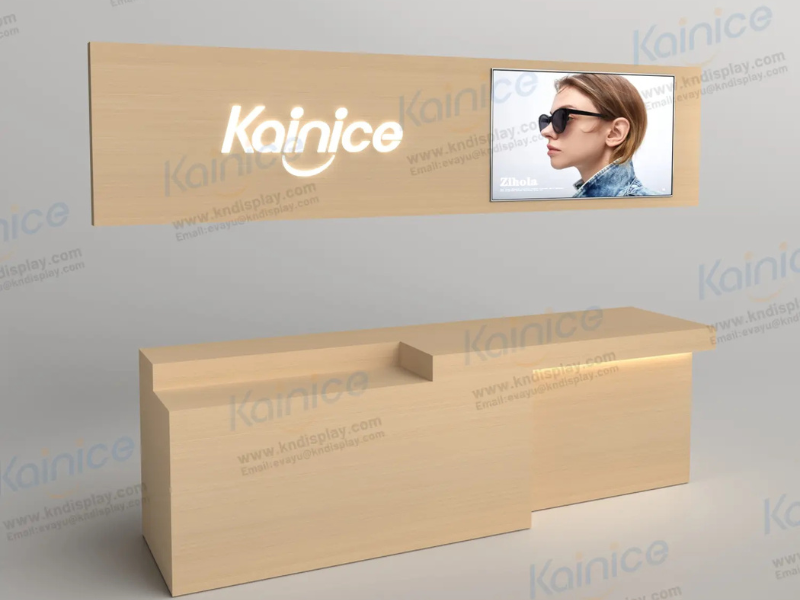
Getting a Brand Environment Right
When a customer walks into a store, the story should be clear. The most effective retail spaces do this without complication. It is more than using the design to integrate the paint and the logo; the most effective spaces create a reality around the brand. It is an immersive approach to helping customers live a brand experience.
One strong method is constructing your store around a central cultural theme. Look into developing unique Cultural IP. This goes into your brand name and mission to find a cultural prototype. A brand focusing on freshness and timekeeping could dive into ancient time culture for inspiration like sundials and repeating characters. This cultural element can be incorporated for every design, like overhead installations and the detailed patterns on your store’s packaging. This creates a strong unified atmosphere.
Mood and atmosphere is in the hands of lighting. Powerful neon commercial signs and immersive lighting will be the influence of an Instagram-able set the atmosphere. Think of a neon brand mantra as a sign. It is a visual magnet and decoration to enthrall visitors to capture the moment on socials and encourage sharing. Transform the space with smart and dynamic lighting. Color changing LED walls or old school projection mapping can turn flat surfaces into your animated story. Thoughtful design makes the space a reason to visit.
Let's not forget the excitement that comes with a striking visual centerpiece. In today’s world of“giant marketing,”oversized, hyper-realistic display structures can render potential customers immobile. A massive, sculpted version of a flagship item or a cherished brand mascot garners more than social media attention. It fosters a playful atmosphere that evokes the magic of childhood, emotional attachment, and wonder that a traditional shelving unit could never aspire to. These features serve as visual super-symbols, elevating your location into a landmark and destination.
Shifting Space into a Participatory Experience
Younger consumers today want action, not just observation. They need to engage. It is vital to convert your retail area from a static showroom to a dynamic, interactive journey that evokes enthusiasm. This will require designing retail displays that encourage customers to touch, investigate, and engage with the item.
Creating digital-physical experiences is one of the newest and most exciting trends! Consider, for example, interactive window displays instead of static ones. What if you could walk down the sidewalk and, using AR, a screen “fitted” you with various shoe styles? Such playful interaction would, at the very least, engrave the store in the memory of the customers and entice many of them if not most, to walk in. Technology used in the store can also capture and hold the customers’ attention. More and more companies are harnessing the power of digital technology to design “art motion corridors.” Advanced and engaging interactive digital technology is integrated and infused within the store to create a self-contained immersive experience, and customers are encouraged to get involved.
The philosophy of the “heart-scene” approach is that people are no longer merely salespeople but emotional pathfinders, and that products are no longer merely items of utility but vessels of meaning and culture. Scenes turn into stages that elicit feelings and create memories. Take, for example, the random prize offered for every five plates of a meal recycled by customers in a certain restaurant chain. This mechanism turned the monotony of a meal into fun and excitement. The lottery's musical chime, the light show, and the prize's tactile heft made a complete after-meal fun sensation that delighted and ever after stayed in the memory of customers. And best of all, this experience was easily replicable at every chain location.
To finish, think about having in-store events that create a continuum of rather than a separation between an encounter of a customer and the experience of shopping. A skincare store, for instance, restrooms, and a tech flagship provides weekly coding or photography classes could run a DIY workshop for a community. These events re-position a store from a simple transactional site to a community educational, relational, and inspirational center consisting of a hub for connection and imagination. A powerful sense of belonging keeps a customer coming and advocates for the store, while for the first time, turning a one-time buyer into a customer for life.
Using New Technology for Smarter and More Adaptive Displays
Technology continues to improve and personalize displays in retail tech. This technology enhances every step of a retail customer’s journey. And, it's done without technology being obvious to the customer.
Digital tech is also changing how merchants “police” the storefront. Gone are the windows that have wasteful static posters. Now there are lightweight, transparent LED posters. They are 85 percent transparent and allow for full-motion dynamic content to be shown on the street. These displays are also cloud based. Franchise store operators can save hours by remotely changing content for displays that were manually changed store to store. This cuts down on wasteful materials. It also enhances the showcase to be more dynamic, and engaging as well as turning them into waste efficient.
Another area that technology is positively impacting is personalization. According to reports, personalized shopping experiences will be a significant factor in foot traffic by 2025. Personalized experiences can be as simple as in-store tablets or apps that suggest products based on previous purchases or preferences. Suppose a customer is browsing a tech store. In that case, they might receive recommendations for accessories that sync with the tech item they are browsing. This kind of personalization makes the shoppers feel understood and appreciated. Even staff interactions can be personal, as employees can tailor their greetings and suggestions based on customer profiles, making every visit feel bespoke.
Some of the most advanced retail spaces are deploying built-in sensors and analytics to make their retail displays responsive and data-driven. These systems can unobtrusively capture anonymous data on dwell time and foot traffic patterns to identify displays that are most attention-getting. This information is invaluable to brands in optimizing store layouts, adjusting messaging, and ensuring visibility of high-priority products. A closed-loop system, where a display provides feedback, ensures that the retail environment is constantly and seamlessly adapting to customer behavior in real time.
Keeping Retail Experiences Interesting
Even in a more boring environment, a store can be less appealing to customers. In order to keep customers returning, the store environment should be stimulating and provide customers with a repetitive reason to return for a visit. This doesn't mean there should be a drastic change every quarter; a more tactical approach to incremental change and the customers’natural routines will suffice.
As a powerful tool for storytelling, the concept of the pop-up shop has moved beyond a simple temporary stall. Brands can be seen creating rapidly changing scenario spaces and themed sampling zones. These zones function as mini-brand exhibitions or specials within a larger store and provide a concentrated version of a particular lifestyle or concept. Picture a store creating an “alpine escape” with fake snow, or a huge “summer fun ” campaign with a poolside lounger and oversized sunglasses. These over the top and hyper themed examples are more than just display pieces; they are “lifestyle” previews, which will motivate customers to purchase the dream.
Incorporating rotating themes and temporary collaborations can work wonders. Keeping your store theme updated, like switching from “tech wellness” to “future gaming” for example, gives your audience a reason to come back. These themes can be designed with local brands or artists, which will encourage audience cross-promotion and provide fresh ideas for the space. A clothing store, for instance, can team up with a local coffee roaster to offer a “Morning Style” pop-up, which creates a new multi-sensory offering that is beneficial for both brands.
Lastly, don’t forget that your retail space is a stage and your products and displays are the actors. In small ways, regularly changing the rotation of your primary displays and highlighted goods will keep the space looking cared for and updated. Add digital tools that let your content be updated easily for screens and window displays, and you will have a retail space that looks alive and responsive, and worth a second look. This gentle evolution tells customers that there are always new modules, making your store a part of their everyday life.