
 EN
EN
What are the features of a good jewelry display cabinet?
Have you ever entered a jewelry store and felt your eyes drawn to a display case where the jewelry seemed to sparkle with life? An excellent display cabinet does much more than just hold items. It acts as a silent salesperson, a protective guardian, and a creative director, working to elevate precious pieces and provide shoppers with a captivating, theatrical experience. But what specific traits distinguish an average case from a truly great one? Let's examine the essential features that make a jewelry display cabinet not merely good, but exceptional.
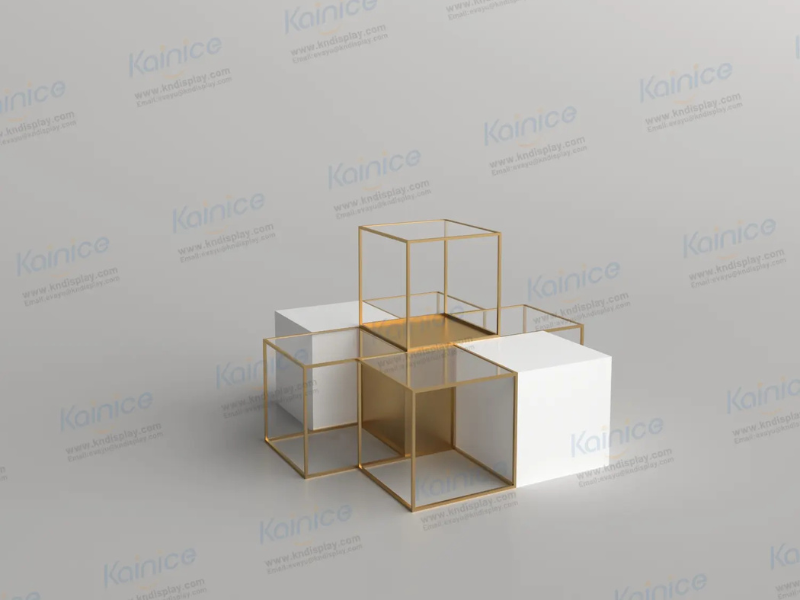
Protection and Security for Displayed Jewelry
When showcasing high-value items like jewelry, the paramount feature of any cabinet must be security. This goes far beyond basic lock-and-key systems. An excellent jewelry display cabinet incorporates multiple layers of protection. It is advisable to use cabinets constructed with tempered safety glass or high-grade plexiglass, which is more resistant to impact and shatters safely. Modern locking mechanisms are crucial; many high-quality cabinets now feature discreet, high-security electronic locks or advanced mechanical systems with restricted key access.
A premium cabinet also protects jewelry from environmental damage. This means integrated systems to control the internal climate. Look for cabinets with adjustable humidity control. This is vital because excessive moisture can cause gemstones to lose clarity and silver items to tarnish. Furthermore, the interior materials are important. Linings made from fabrics or woods should be non-abrasive and chemically inert to prevent scratches or reactions that could diminish the value of fine jewelry over time. In essence, the best cabinet serves as a secure fortress designed to preserve the integrity of its contents.
Design That Complements and Elevates the Jewelry
A jewelry display cabinet should function like a chameleon; its design must enhance the jewelry without competing for attention. The aesthetic should be sleek, modern, and timeless, acting as an elegant frame for the masterpieces inside. High-quality materials such as polished metals, premium laminates, or fine wood veneers help maintain focus on the display itself. A neutral interior color palette—using blacks, beiges, grays, or whites—provides a perfect backdrop that makes gold, diamonds, and colored gemstones stand out with brilliance.
The point where form meets function is in the cabinet's layout and interior configuration. Customizability is a highly positive feature. Intelligent design allows the space to be adapted for a diverse range of collections, from bold statement necklaces to delicate engagement rings. Some cabinets even include rotating platforms or motorized turntables, which animate the pieces and showcase their brilliance from every angle. Every design choice, from the slope of the viewing glass to the depth of the display wells, is made with the singular goal of presenting each item in the most flattering and accessible way.
The Importance of Professional-Grade Lighting
Among all features, lighting is where the real magic happens. Professional-grade lighting is the key to making jewelry captivating. However, achieving the right glow involves more than just brightness. The best systems utilize LED technology, which operates coolly to prevent heat damage to gems and is highly energy-efficient. More importantly, look for lighting with a high Color Rendering Index (CRI), ideally 90 or above. This ensures the light source reveals the true, rich colors of gemstones without casting unnatural yellow or blue tints.
The type and positioning of lights are equally critical. Effective cabinetry employs a layered lighting approach. General, diffuse lighting within the case provides overall visibility and is complemented by precise accent lighting—such as small, focused pin spots or adjustable downlights. These are strategically placed to create a balance of brilliant highlights and deep, dramatic shadows. This contrast is what makes metals gleam and facets sparkle. Lighting should also be positioned to minimize glare and reflections on the glass, offering a dazzling yet clear view. The ultimate aim is to replicate perfect daylight, presenting every piece at its absolute best and inviting the customer to look closer.
Functionality for Both Seller and Buyer
An exceptional jewelry display cabinet is designed for effortless interaction, serving both staff and customers seamlessly. For the seller, this means features that support an efficient workflow. Cabinets should allow for quiet and smooth access; features like soft-close hinges and silently gliding drawers facilitate discreet operations. Well-organized interior compartments for tools, tags, and cleaning materials help keep the workspace tidy. Some advanced models integrate digital displays that sync with inventory systems to show pricing or promotional content alongside the physical items.
From the customer's perspective, the experience should be immersive and intuitive. While security is a priority, the design should foster a sense of proximity and desire. The viewing height should be ergonomic, and the glass should be of optical clarity—ultra-clear, low-iron glass has a 'barely there' effect that doesn't distract from the jewelry. The journey from admiration to purchase should feel effortless, with the cabinet's design actively guiding the customer from visual appeal to the point of acquisition, making the entire process memorable and enjoyable.