
 EN
EN
How to Optimize Customer Flow in the Retail Furniture Industry
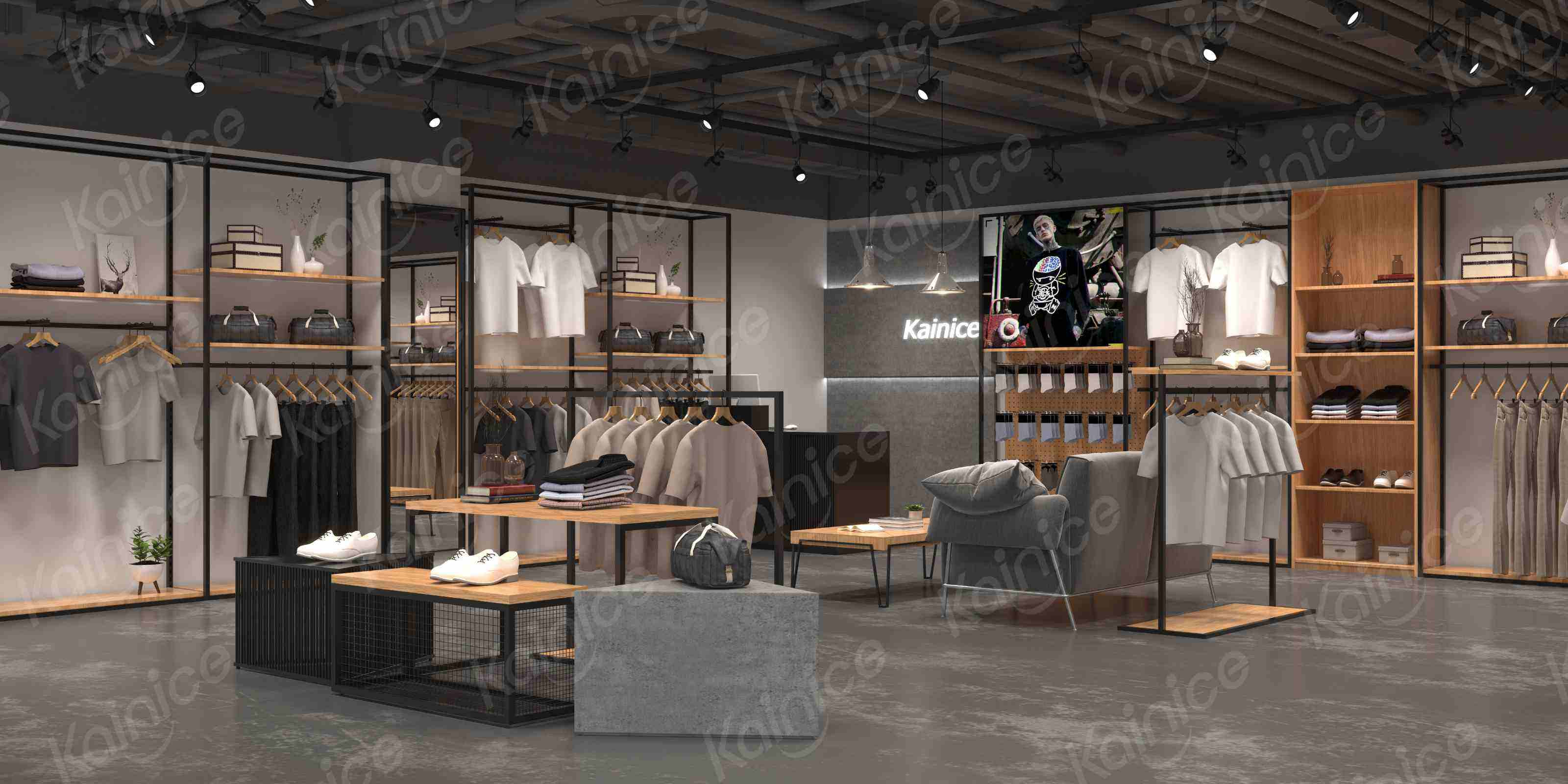
1. Utilize Retail Decompression Zones:
The "decompression zone" at the entrance of a retail store plays a crucial psychological role, yet its importance is often underestimated, especially in spacious, high-investment industries like furniture retail.
Its core purpose is to guide customers, not just close a sale: capture their attention, guide them, and convey the store's value proposition within the critical first 60 seconds. By cleverly showcasing key interior areas, it establishes an intuitive navigation mechanism while preparing customers psychologically for a deeper experience. When designed properly, this transitional space can create a calming and relaxing atmosphere, significantly increasing customer receptiveness to the product story and efficiency of exploration.
2.Strategic Zoning
Strategic zoning is the cornerstone of efficient customer flow. It involves carefully dividing retail space to align with customers' psychological journey and purchasing intentions, creating clearly defined zones. In furniture and home furnishings retail, this means maintaining a clear logical connection between core categories (living room → dining room → bedroom → home office), avoiding fragmentation or random scattering.
Features a wide central aisle that extends into private exploration corridors, enhancing product visibility, fostering cross-category interaction, and significantly increasing impulse purchase conversion rates while maintaining intuitive wayfinding. This design transforms the space into a silent sales force, guiding customers through exploration and maximizing revenue per square foot.
3. Modular Layout
Layout flexibility is a decisive competitive advantage in retail environments. High-end modular systems, such as interlocking shelving, configurable wall supports, and nested display racks, enable this advantage by allowing for seamless store resets with minimal human intervention and zero capital investment. Unlike static installations, these systems allow retailers to dynamically adjust customer flow using real-time data: adjust main traffic directions today to highlight the spring patio collection; reassemble the same components tomorrow to showcase a holiday scene.
4. Enhancing User Experience
Enhancing user experience is crucial for retailers and can typically be approached from several angles:
Precisely calibrated aisles: Main aisles must be wider than 60 inches (ICSC standard 7.2) to handle peak traffic and provide comfortable space—allowing customers to step back 3-5 feet to evaluate large items (such as sectional sofas or wardrobes) without feeling their personal space is intruded or experiencing decision-making anxiety.
Sight layout: Each aisle must end with a prominent, high-value display area (e.g., a sofa display area) ensuring it's visible from the entrance. Fixed structures exceeding 5 feet 2 inches (approximately 1.57 meters) in height should be prohibited in main aisles to eliminate visual obstructions—this practice has been proven to reduce navigation fatigue by 37% and increase foot traffic in deeper stores by 28%.
Cognitive wayfinding: Strategic sight layering—where signage and key categories are clearly visible from three or more viewpoints—creates a natural, smooth, and effortless flow experience.
5.The Integration of Digital Guidance with Brick-and-Mortar Retail
Technology is no longer just an added bonus, but the core of the modern retail process, transforming static spaces into responsive, profit-maximizing environments. Forward-thinking retailers are deploying:
Dynamic Wayfinding Signage: These digital signs, strategically placed at high-traffic intersections (entrances, transition zones), eliminate visual distractions and guide customer flow to high-profit areas—reducing direction queries by 41% (ICSC 2025) and increasing category penetration by 29%.
Low-Friction Kiosks: In furniture retail, smart kiosks equipped with features such as augmented reality (AR) room visualization, real-time inventory depth, and customized finishes are placed in lower-traffic areas (outside main pedestrian paths). This transforms decision delays into efficient interactions, shortening the sales cycle for complex items (over $800) by 33%.
Decentralized Transaction Centers: Mobile POS systems liberate checkout from fixed cash registers, enabling employees to complete sales as soon as a customer expresses a purchase intention.
6.Cross-category displays
Cross-category displays go beyond simple product placement; they are an attractive ecosystem design that translates customer browsing time into measurable revenue growth.
Path planning: Designing scenario-based displays as carefully crafted "mini-destination" spaces along main customer flow aisles, spaced 15-20 feet apart, encourages customer exploration while preventing decision fatigue.
Smart displays: Modular display systems must architecturally enhance the seamless integration of cross-category layouts—for example, placing integrated bookshelves under lighting displays, or combining cantilevered furniture platforms with textile hanging rods—transforming every square foot of space into a multi-category sales platform.
Cognitive simplification: These well-designed display environments reduce the purchasing complexity of high-value items (e.g., furniture sets priced over $1,500), shortening the decision cycle by 47% and increasing average transaction value (ATV) by 28% through natural bundling.