
 EN
EN
Purchasing Must-Read: Five Stability Pitfalls to Avoid When Buying Retail Clothing Display Racks
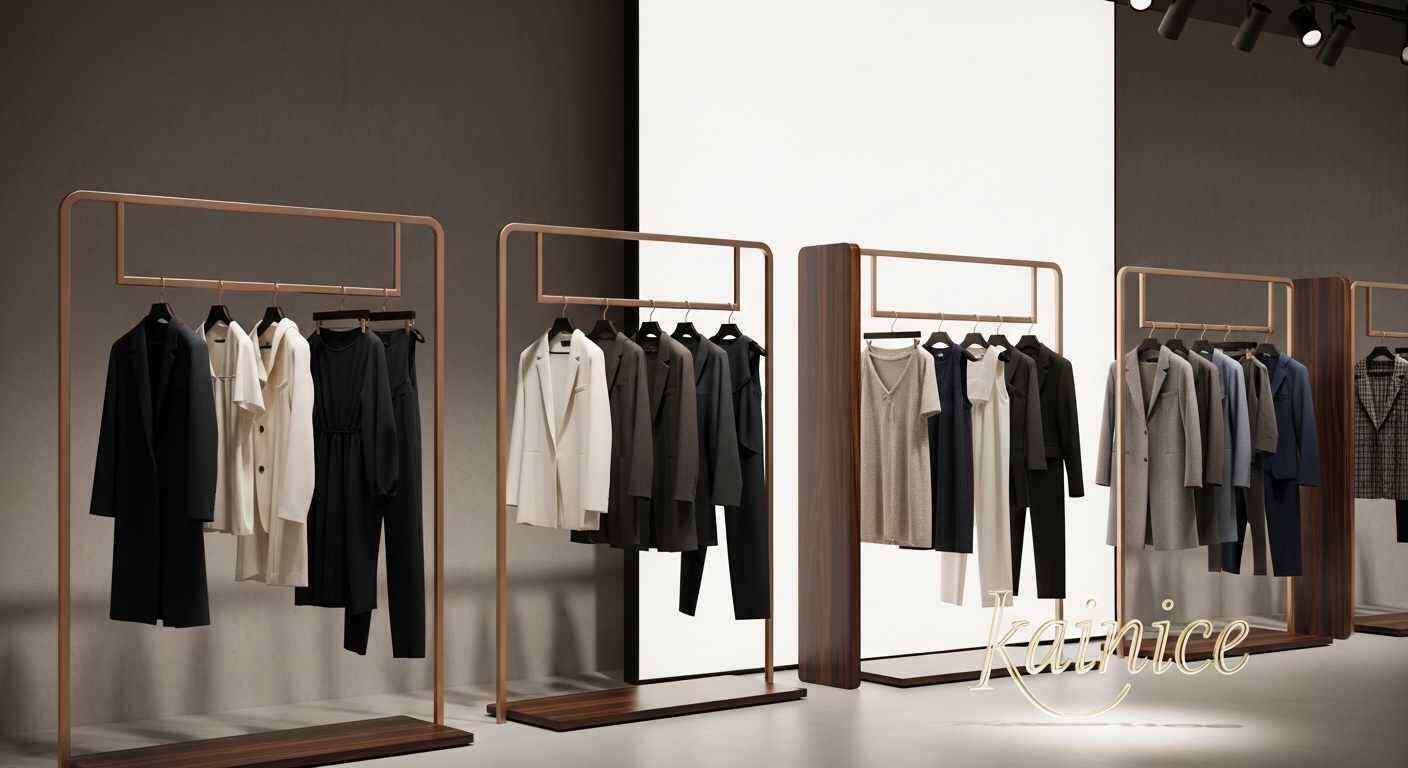
Experience Sharing from Ten Years of Purchasing
When placing large-volume orders for retail clothing display racks, we focus on more than just unit price and product images. The most crucial yet often overlooked factor in bulk purchasing is stability. Here are several pitfalls to avoid when buying retail clothing display racks in bulk.
Pitfall 1: Confusing Static Load Capacity with Dynamic Stability
Before purchasing, every supplier provides load capacity data, but this value is almost always a static measurement, which is practically useless in a dynamic retail environment. When choosing products, we need to focus on dynamic load resistance; the racks must remain stable under movement and stress.

Pitfall 2: The Fatal Flaws of Non-Mechanical Connections
Modular design is now a trend for display racks. Friction-based connectors are a common connection method for display racks, using tightly fitting tubes or simple pressure to hold the frame together. They are usually inexpensive to manufacture and quick to assemble, but they wear out quickly after repeated use, and the racks may lose structural integrity and become unstable.
We need to choose reliable mechanical locking devices that securely connect and fix the frame, extending service life and reducing costs.
Trap 3: Caster Wheel Hazards
Caster wheels affect the stability of rolling retail display racks, and bearing failures and locking failures are common problems.
Inexpensive casters often use internal bearings with insufficient strength. These bearings are prone to jamming and damaging the base when they come into contact with common textile fibers, dust, and small debris found on store floors.
Polyurethane (PU) casters offer excellent stability and superior load distribution capabilities, preventing shelves from moving due to accidental collisions and avoiding permanent scratches on floor tiles.
Trap 4: Tipping Risk Due to Neglecting Center of Gravity
For retailers requiring heavy-duty display racks, neglecting the center of gravity is fatal. A high center of gravity can lead to tipping accidents; stability requires a wide and sturdy base for support.
When negotiating with display rack manufacturers, request their official tipping angle test results, which measure the angle at which the rack can tilt before tipping over.
If the manufacturer cannot provide this data, it indicates that they have not designed for safety in a real retail environment. We must never sacrifice the safety of customers and employees for the sake of aesthetics.
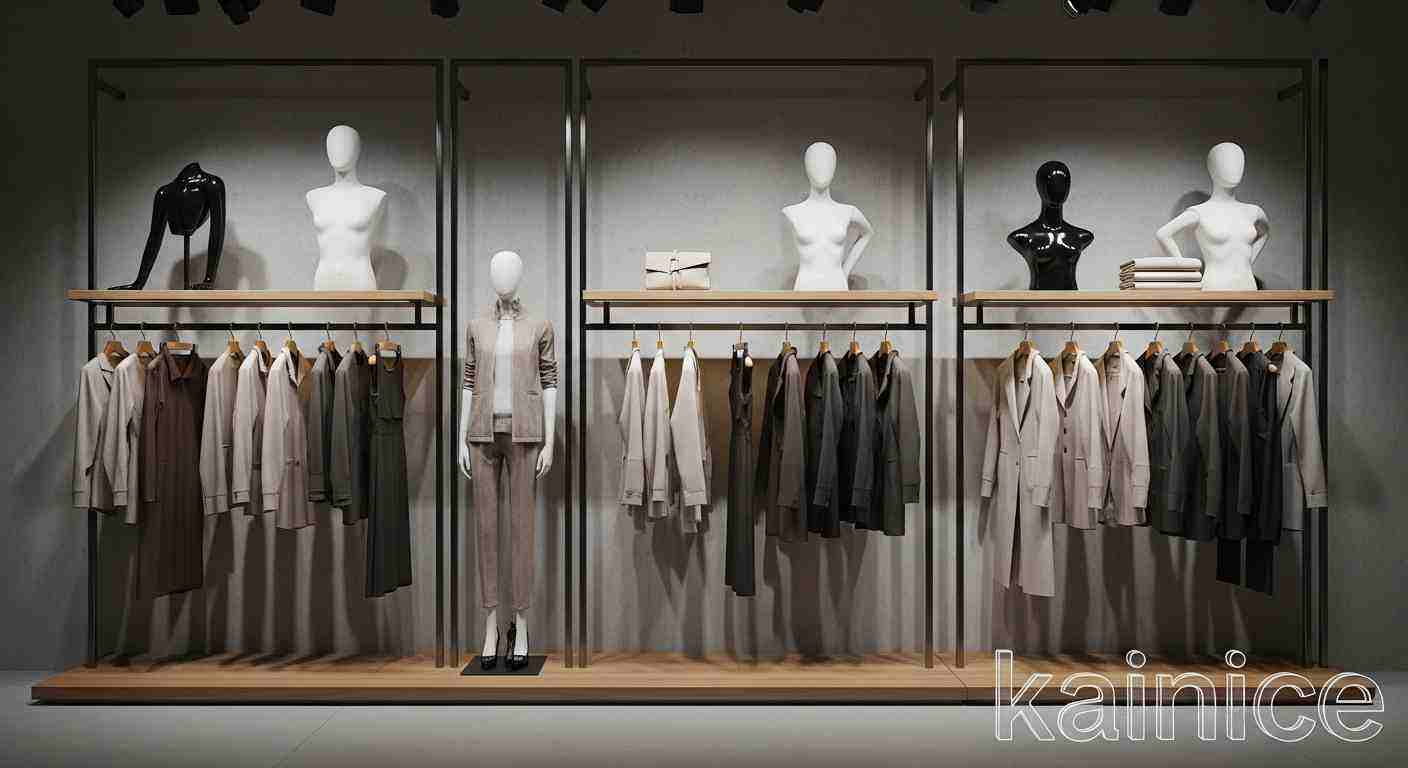
Trap 5: Insufficient Product Consistency in Mass Production
Product consistency is crucial for bulk buyers. Manufacturers with inadequate quality control may have slight variations in each batch of products. These small deviations can accumulate, resulting in the stability of bulk shelves being 10-15% lower than the original sample.
To address this, purchasing managers must require clearly defined quality control (QC) protocols in the contract and conduct product and sample verification. Reliable manufacturers use automated measuring equipment to ensure that critical wall thicknesses remain consistent throughout the production process.
Retail environments demand a certain level of stability from display racks. Incorporating the five stability checks mentioned above into the procurement process can save costs and reduce maintenance expenses, and more importantly, improve security.
If you are planning to implement store infrastructure upgrades that meet stringent stability and security standards, please request a consultation today. Our solutions are designed specifically for retailers. Click here to view our products and learn more about our highly stable display racks.