
 EN
EN
retail store fixture layout
The retail environment has a significant impact on the business success of brick-and-mortar stores. A well-planned retail store layout can guide customer traffic, optimize product display, and influence customer purchasing decisions. Many retail companies have improved sales conversion rates through scientific display shelf layouts.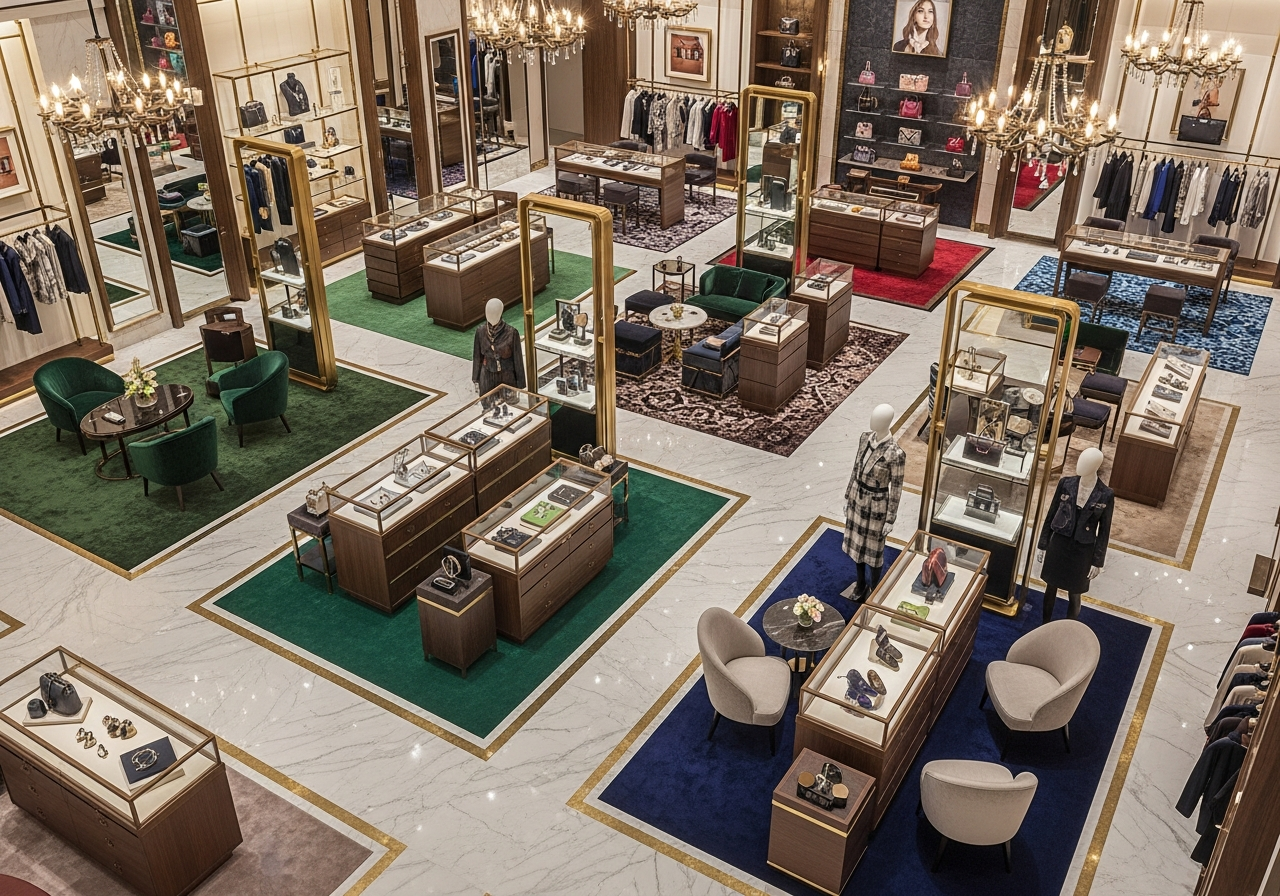
Modern Retail Design: Grid Layout
Grid layouts are suitable for grocery stores and pharmacies. This layout requires modular shelving and is typically used by retailers focused on quantity and speed of transactions.
Modern Retail Design: Circular Layout
Circular layouts, also known as "racetrack" layouts, guide customers around the store through a series of interconnected arrangements, ensuring they have access to as many product categories as possible. This type of layout is commonly used by department stores and anchor retailers, using intelligent display units to guide customer flow, prevent backtracking, and direct them to different areas.
Modern Retail Design: Free-Flow Layout
Free-flow layouts are primarily used in high-end luxury boutiques and specialty retailers. This model typically uses custom-shaped display units, carefully designed and creating visual focal points to highlight brand value.
How Retailers Quantify Layout Strategies
For retailers, sales per square foot is a good metric for determining which layout best suits their needs. Retailers can typically find the optimal layout by changing merchandise arrangement, such as using MRSF (High-Density Layout System) to alter vertical displays, and then analyzing data.
The core of modern retail strategy is flexibility and user experience. Shelves are not just display containers; for retailers, they are strategic tools. Good retail display racks need to be quickly rotated and seasonally reset, requiring modular design. To adapt to different industries, retail display racks need to be intelligently and digitally integrated, incorporating various electronic components to facilitate customer experience, inventory management, and personalized services.
How to Optimize Retail Store Display Layout
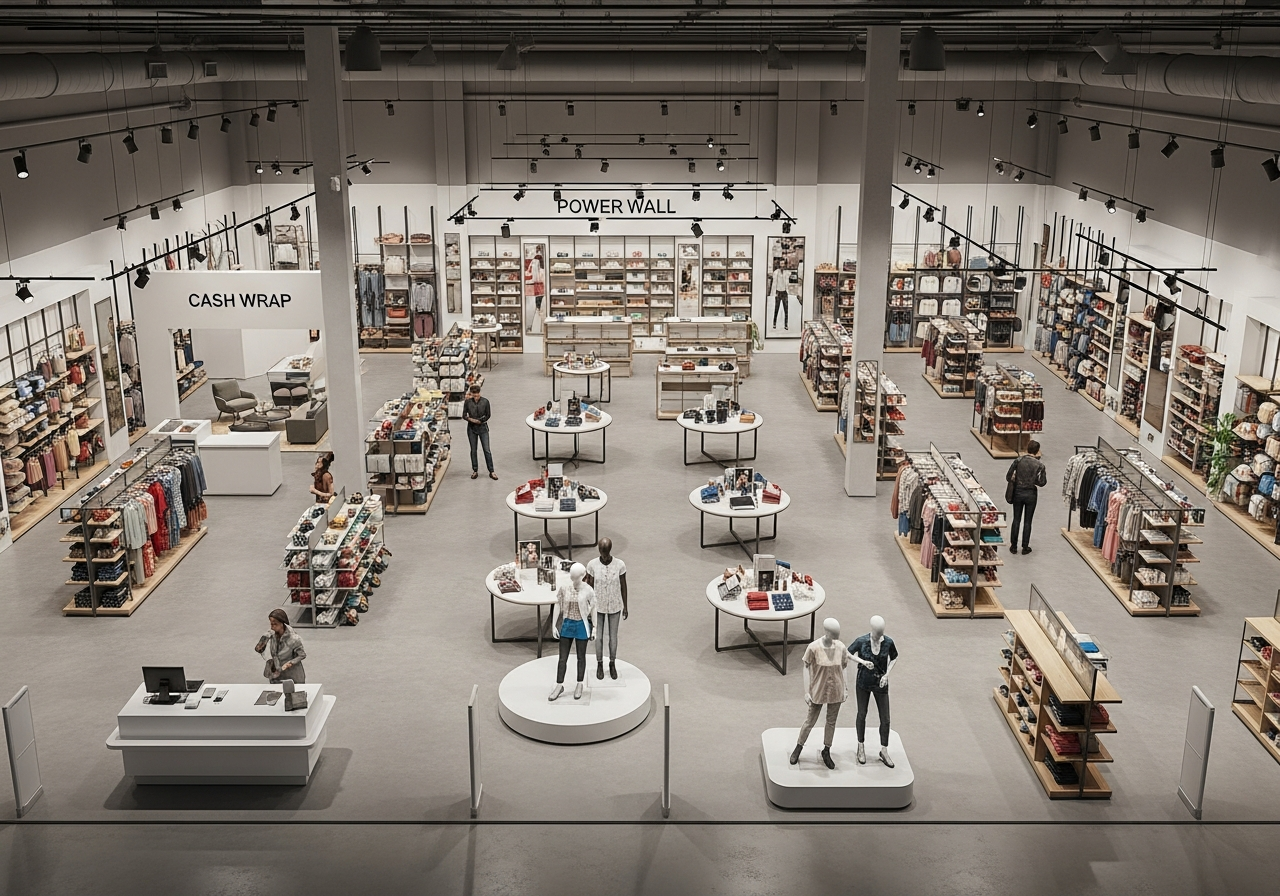
The "relief zone" at the entrance is a crucial space, requiring simple, eye-catching, and attention-grabbing shelving, such as MRSF mid-level shelving to display limited-edition new products.
The main wall opposite or near the entrance can be used to showcase the brand.
Interactive digital displays or custom units can be placed in shelf corners or at the end of aisles to encourage customers to explore further into the store.
When designing retail store displays, it's essential to be goal-oriented, focusing on the customer's perspective to manage foot traffic, increase product visibility, extend customer dwell time, and ultimately improve the average transaction value of the entire retail space.
The efficiency of retail store shelf layout has become a key competitive factor for retailers. Retail shelves not only optimize merchandise display and convey brand messages, but also efficiently guide the crucial customer journey. Good retail shelving requires elements such as superior aesthetics, functional flexibility, inherent durability, and intelligence. We sincerely invite retailers to abandon cookie-cutter shelves and collaborate with us to transform static store layouts into a highly precise, performance-driven sales ecosystem.