
 EN
EN
How to light items effectively inside a glass display cabinet?
Why Lighting Inside a Display Cabinet Matters
Think about the beautiful items you put in a glass display cabinet. Maybe it is delicate jewelry, a special collection, or high end cosmetics. Now imagine looking at them in dim light. They lose their sparkle, dont they? The right lighting changes everything. It brings your products to life. It pulls the customers eye right to what you want them to see. A well lit display cabinet does not just show an item; it presents it. It adds value and creates desire. Without good lighting, even the most expensive product can look ordinary. With it, that same product becomes a star. The light highlights the details, the colors, the craftsmanship. It tells the customer, "This is important. Look at this." For any retail space, from a small boutique to a large store, getting the lighting right inside your display cabinet is one of the smartest investments you can make.
Understanding Different Types of Cabinet Lighting
You have choices when it comes to how you light up your display cabinet. It is not a one size fits all situation. The most common options are LED strips, spotlights, and puck lights. LED strips are great for creating an even glow. You can run them along the edges of shelves or the back of the cabinet. They light up the whole space without creating harsh shadows. Spotlights are different. They focus a beam of light on one specific area or object. This is perfect for highlighting a single featured item. Puck lights are small, round lights that give a wider pool of light. They are good for lighting up a whole shelf. The type you choose depends on what you are displaying. For a cabinet full of small items on many shelves, LED strips on each shelf might work best. For a cabinet with just one large, beautiful object, a spotlight from above could be perfect. You might even mix different types in one cabinet for different effects.
The Role of Light Color and Temperature
The color of the light matters just as much as where you put it. Light color is measured in Kelvin. It goes from warm to cool. Warm light has a yellowish, cozy feel to it. It is often measured around 2700K to 3000K. This kind of light is great for making things like jewelry, wood, or rich fabrics look their best. It feels inviting and luxurious. Cool light is more bluish and bright, often 4000K to 5000K. It feels clean and modern. This can work well for displaying electronics, gadgets, or items with cool colors like blues and silvers. Choosing the right color temperature helps set the mood. It also makes the colors of your products look true and vibrant. The wrong color light can make things look dull or even change their apparent color. So think about the feeling you want to create and the nature of your products when you pick your lights.
Placement Strategies for Best Effect
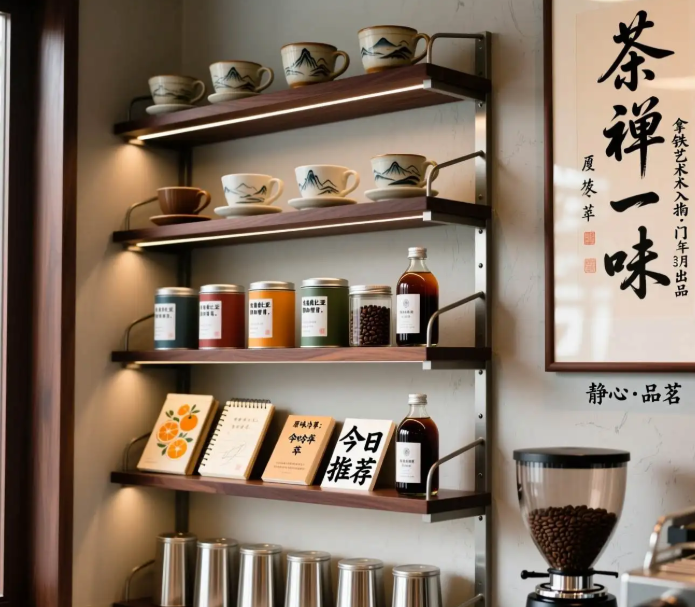
Where you put the lights in your display cabinet is a key decision. You have a few main options. Top lighting means lights placed at the top of the cabinet, shining down. This is a natural approach, like sunlight. But it can create shadows on lower shelves. Bottom lighting is lights at the bottom, shining up. This can create a dramatic, almost magical effect. It is great for highlighting the shape of objects, especially glass or crystal items. Shelf lighting is when lights are integrated into each shelf. This is very effective for multi shelf cabinets. It lights each level directly and eliminates shadows from above. Back lighting means placing lights behind the items, often at the back of the cabinet. This creates a glowing backdrop that makes items stand out in silhouette or with a halo of light. Often, the best results come from combining these methods. A mix of shelf lights and spotlights, for example, can give you both general light and focused highlights.
Avoiding Glare and Hotspots
One big challenge with lighting a glass display cabinet is glare. You want people to see the products, not just the reflection of the lights. Glare happens when a light source is too bright and hits the eye directly. It can also come from lights reflecting off the glass. To avoid this, think carefully about light placement. You want to hide the light source itself as much as possible. This is where things like recessed lights or lights hidden behind a lip come in. The goal is to see the light's effect on the product, not the light itself. Another problem is hotspots. That is when a light is too focused, creating a very bright spot with dark areas around it. This can be unflattering to your products. Using diffusers on your lights can help spread the light more evenly. A well designed lighting plan creates a smooth, even illumination that makes everything in the cabinet look its best without any distracting bright spots or harsh reflections.
Integrating Lighting with the Display Cabinet Design
The best lighting looks like it is part of the cabinet, not something added on later. This is where good design and manufacturing come into play. When you plan a custom display cabinet with a partner like Kainan, you can build the lighting right in. Wires are hidden. Lights are seamlessly integrated into shelves, frames, or the cabinet base. This creates a clean, professional look. The materials of the cabinet also interact with the light. A glossy white back panel will reflect light differently than a dark wood one. Glass shelves can allow light to pass through, illuminating the shelf below. Thinking about these interactions during the design phase leads to a much better result. The cabinet and the light work together as one complete system. It looks intentional and high quality. This attention to detail makes a big difference in how your products and your whole store are perceived.
Practical Considerations: Heat and Maintenance
When choosing lights for your display cabinet, you have to think about the practical stuff too. Older types of lights, like halogen bulbs, can get very hot. This heat can damage sensitive items over time. It can also make the inside of the cabinet uncomfortable if you need to reach in. This is one reason why LED lights are so popular for display cabinets now. They produce very little heat. They are also energy efficient and last a long time. Maintenance is another factor. You do not want to be changing light bulbs all the time, especially in a hard to reach cabinet. LED lights last for thousands of hours. Some systems are designed so that if a light does fail, it is easy to replace without disturbing the display. Also, think about cleaning. The lights and their housings should be designed so they do not collect dust and are easy to wipe down. A little thought about these practical details saves a lot of trouble later.
Creating Mood and Drama with Light
Beyond just showing products, light inside a display cabinet can create a feeling. It can set a mood. For a high end jewelry store, you might want a dramatic, focused light that makes each piece sparkle against a dark background. This feels exclusive and luxurious. For a store selling natural, handmade goods, a softer, warmer light might feel more inviting and authentic. You can use light to tell a story. A single spotlight on a new arrival tells customers this is something special. Gradual changes in light levels across a cabinet can guide the eye from one item to the next. Light can create contrast and depth, making a flat display feel three dimensional. It turns your display cabinet into a stage, and your products into the performers. Getting the lighting right means you are not just showing what you sell; you are creating an experience around it.