 EN
EN
Integrating signage into your gondola retail display.
Why Signage on a Gondola Matters
Think about the last time you walked down a supermarket aisle. Your eyes are scanning shelves packed with products. So much to look at, so little time. This is where signage becomes your best friend. When you put signs right on your gondola, you are giving shoppers a reason to stop. You are answering their questions before they even ask them. A simple sign that says "Sale" or "New" can grab attention in a sea of sameness. It breaks the visual monotony. Good signage on a gondola does more than just shout prices. It tells a story. It can explain what a product is, where it comes from, or how to use it. For a new or unfamiliar item, this information right at the point of decision can make all the difference. It helps the customer feel informed and confident in their choice. Without signs, you are relying solely on the product packaging to do the talking. And sometimes, that is just not enough. Integrating signage turns your gondola from a simple shelf into a communication tool.
Different Types of Signage for Gondolas
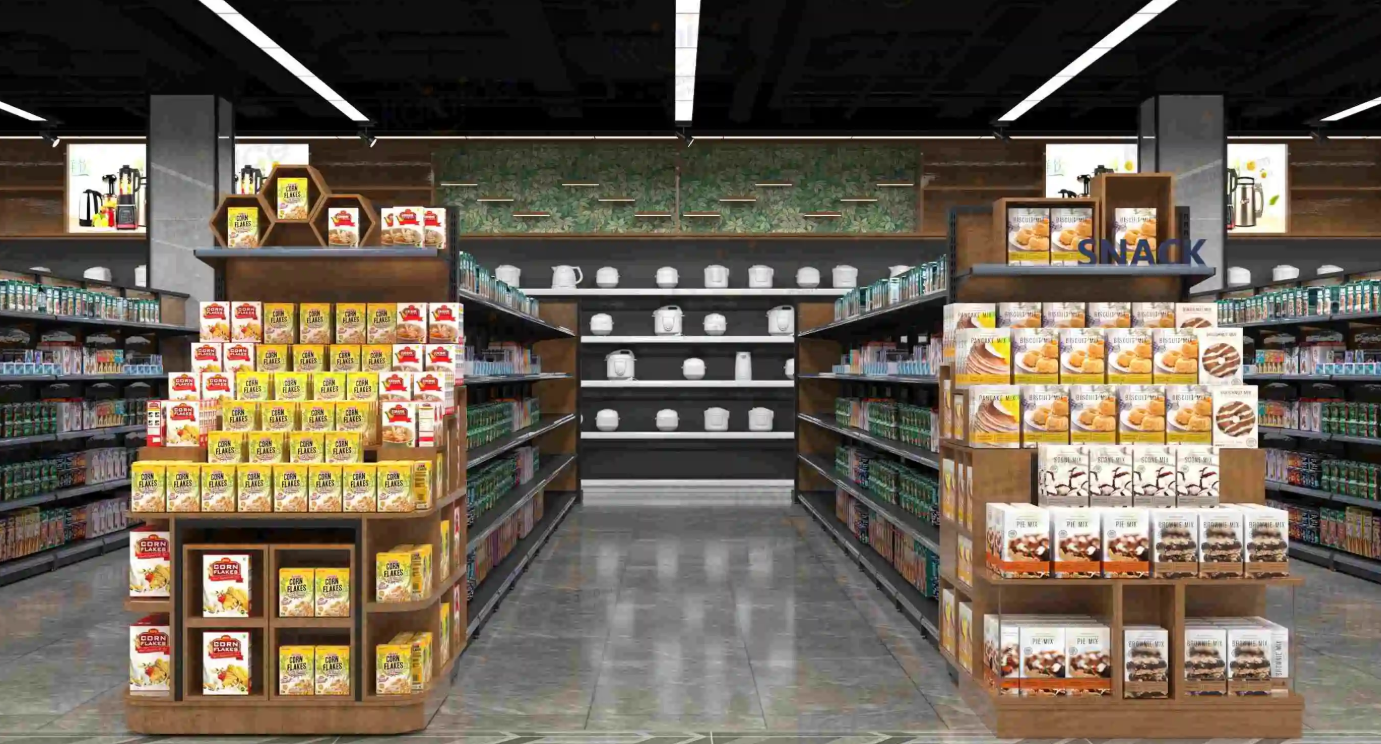
You are not limited to just one kind of sign. There is a whole family of options to fit different needs and spots on the gondola. Think about the very top of the fixture. That is prime space for category signs. Big letters telling shoppers they are in the cereal aisle or the pasta section. This helps people navigate your store quickly. Then you have sign holders that attach right to the shelf edge. These are perfect for prices, promotions, or product information. Shoppers are already looking right there, so it is the perfect spot to give them that final nudge. For special displays or new products, you might want something that stands out more. A small sign that clips onto the shelf or a larger one that attaches to the upright post can create a focal point. You can even use hanging signs above the gondola for seasonal promotions. The material of the sign matters too. Durable plastic, classic metal, or even acrylic for a cleaner look. The choice depends on your store's style and the message you want to send.
The Perfect Spot: Where to Place Signage
Putting a sign anywhere on the gondola is not enough. Where you put it is just as important as what it says. You have to think like a shopper. Eye level is the most powerful zone. Signs placed here get seen first. This is the spot for your most important messages, like a compelling sale or a key product benefit. But do not ignore the areas just above and below eye level. A sign near the bottom shelf can draw attention to bulk items or products that might otherwise be overlooked. The end of the gondola, the endcap, is another critical area. This is a high traffic zone. A bold, clear sign here can stop someone turning the corner and make them consider a product they had not planned to buy. You also need to think about sight lines. Can the sign be seen from the main aisle? Does it get blocked by another display? A well placed sign guides the shopper's journey. It creates a natural path for their eyes to follow, leading them from the main aisle message right down to the product on the shelf.
How Signage and Product Work Together
A sign should never feel like an afterthought. It needs to work in harmony with the products it is next to. The goal is to create a conversation between the two. Think about the colors. A bright, bold sign can make a product with neutral packaging pop. But if the product itself is already very colorful, a simpler, cleaner sign might be better so it does not compete. The size matters too. A tiny sign next to a huge product display will get lost. A massive sign for a small, everyday item might feel overwhelming. It is about balance. The sign should highlight the product, not overshadow it. For example, a sign explaining the unique feature of a kitchen gadget works best when placed right next to that gadget on the shelf. The customer reads the sign, looks at the product, and makes the connection instantly. This integrated approach makes the shopping experience smoother and more intuitive. It feels helpful, not pushy.
Strengthening Your Brand with Gondola Signs
Your gondola signs are a perfect opportunity to reinforce who you are as a store. They are not just functional; they are an extension of your brand's personality. The fonts you use, the colors, the style of the sign holders, all of this sends a message. A sleek, modern store might use clean, minimalist signs with simple typography. A store with a more rustic, friendly feel might use chalkboard style signs or warm wooden holders. Consistency is key here. When all your signage across every gondola shares a similar look, it creates a cohesive and professional image. Shoppers start to recognize your brand's voice. It builds trust. Even the language on the signs matters. Are you formal or friendly? Do you use humor? This consistent branding throughout the store, supported by well designed fixtures from a partner like Kainan, turns a simple shopping trip into a brand experience. It makes your store memorable.
Using Technology in Gondola Signage
The world of signage is changing, and gondolas are keeping up. We are seeing more and more digital screens integrated into store fixtures. Imagine a small screen on the shelf edge that can show changing prices or product videos. This is becoming a reality. Digital signage on a gondola offers incredible flexibility. You can change a price instantly for a flash sale. You can show a short recipe video next to the ingredients. This dynamic content grabs attention in a way a static paper sign never can. It feels modern and engaging. Of course, it needs to be integrated thoughtfully. The screen and its housing should fit seamlessly with the gondola design. It should look like it belongs, not like it was just taped on. As technology becomes more common, the ability to blend it smoothly into custom fixtures is a valuable skill. It is another way to keep your store fresh and exciting for customers.
Measuring the Impact of Your Signage
Putting up signs is one thing. Knowing if they work is another. You should think about how you will know your gondola signage is effective. One simple way is to look at sales data. What happens to sales of a product when you put a new sign next to it? Do they go up? You can also just watch your customers. Do they stop at the sign? Do they look from the sign to the product? This kind of observation can tell you a lot. Sometimes you can even ask. A quick question to a shopper, "Did a sign help you find that?" can give you direct feedback. The goal is to learn and improve. Maybe a sign is too small. Maybe the message is not clear. Treat your signage as an experiment. Try different things in different spots and see what gets the best reaction. Over time, you will learn what works best for your specific customers and your store. This turns sign placement into a real strategy for boosting sales.