
 EN
EN
What is a gondola and how is it used in supermarkets?
The Basic Definition of a Gondola
If you have ever walked through a supermarket, you have spent time around a gondola. You just might not have known what it was called. A gondola is that large, standalone fixture that sits in the middle of the store floor. It is not attached to the walls. It has a base, uprights, and shelves that go on both sides. Think of it as the backbone of the supermarket. It is what creates those long aisles you walk down. Shoppers can browse products from both sides, which makes it a super efficient way to use floor space. A well designed gondola is built to hold a lot of weight because it has to handle everything from canned goods to heavy bottles. The shelves can usually be adjusted too, which is key for stocking different sized items. This simple but powerful design is why it has been a staple in retail for so long. It is all about getting the most products in front of the most people in the smartest way possible.
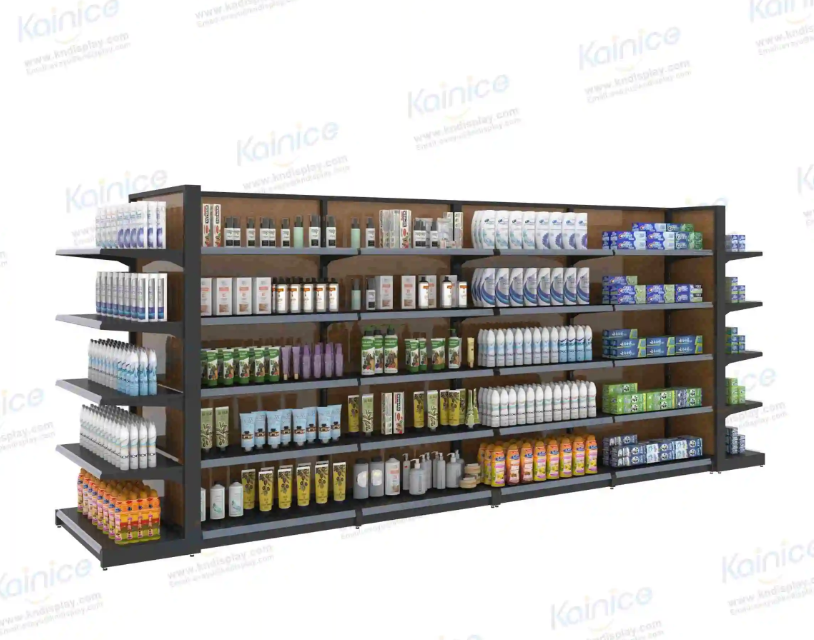
Creating Aisles and Guiding Traffic
The way gondolas are arranged in a store is a science in itself. They are not just plopped down randomly. Store planners use them to create a path for you to follow. When you walk into a supermarket, the layout of the gondolas is designed to guide you through different sections. They create the main aisles and the cross aisles. This is how you are naturally led from the fresh produce to the dry goods to the dairy section. The height of the gondolas matters too. In most supermarkets, they are low enough that you can see over them. This helps you orient yourself. You can spot the sign for the bakery or the deli over the top of the fixtures. But they are also high enough to create a sense of separation between departments. This layout strategy is a huge part of the shopping experience. A good flow keeps customers in the store longer and encourages them to explore. The gondola is the main tool that makes this possible. Without them, a supermarket would just be a chaotic sea of products.
Using Gondola Shelves for Different Product Categories
The shelves on a gondola are where the real action happens. And they are not all used the same way. The height of the shelf matters a lot. The shelves at eye level are prime real estate. This is where supermarkets put the most popular items or the products with the highest profit margins. You see them first. The bottom shelves are for heavier, bulkier items. Think about big bags of pet food or cases of soda. Shoppers are willing to bend down for these because they are often stocking up. The top shelves are for lighter items or things that are for display. The shelves themselves can be fitted with different accessories. You might see shelves with dividers to keep bags of coffee neat. Or small wire baskets attached to hold impulse buys like gum or batteries. The gondola is a flexible system that can adapt to whatever needs to be sold. It is a workhorse that handles the daily grind of thousands of shoppers reaching for products.
The Power of Gondola Endcaps
If the main shelves are the workhorses, the ends of the gondolas are the stars. These are called endcaps. And they are the most valuable space in the whole store. Think about it. When you are walking down an aisle, your eye is naturally drawn to the end. It is a stopping point. Supermarkets use this spot for maximum impact. Endcaps are for promotions, new products, or seasonal items. They are designed to grab your attention and make a quick sale. You might see a display of soda for a summer barbecue or all the ingredients for a holiday meal right there at the end of the aisle. The endcap is a stage. It is where products get their moment in the spotlight. Because it is separate from the main shelving, it can be styled differently too. Sometimes it has a special sign or lighting to make it stand out even more. A smart store manager knows that what goes on the endcap can really drive sales.
Gondola Design and Materials
Not all gondolas are created equal. The materials they are made from matter for both looks and durability. In a supermarket, things get bumped and knocked around constantly. Shopping carts hit the bases. Products get dropped. So the fixture needs to be tough. Metal, especially steel, is a common choice for the frame because it is strong. The shelves are often metal too, sometimes with a coating to prevent rust. But you also see wood or laminate shelves in some sections to create a warmer, more upscale feel, like in a bakery or organic section. The finish on the gondola is also important. It needs to be easy to clean. Supermarkets have strict hygiene standards, so surfaces that can be wiped down quickly are a must. A company with deep experience in materials, like Kainan, understands these practical needs. They know that a gondola has to look good and survive the real world of a busy store.
Flexibility and Changeover
Supermarkets are not static places. The products change with the seasons, with trends, and with promotions. A gondola system has to be able to change too. This is why adjustability is such a key feature. The shelves can be moved up or down in seconds to accommodate a new product that is taller or shorter. The whole gondola can sometimes be moved to create a new aisle layout for a big seasonal reset. This flexibility is what makes the gondola such a lasting design. It is not a one time investment. It is a system that can evolve with the store. For a supermarket chain with many locations, having a standard gondola system means every store can adapt quickly and efficiently. They all use the same parts and accessories. This consistency saves time and money. It keeps every store looking professional and running smoothly. The gondola is built for the long haul, ready for whatever comes next.