
 EN
EN
The evolution of display racks from simple shelves to integrated brand storytelling units.
Take a minute to look around any retail store. What holds the products, organizes the space, and guides your journey? The answer is the humble display rack. It has such a long history that we often overlook its remarkable transformation from a simple storage shelf into a complex tool for brand storytelling—a transformation that mirrors the journey of retail itself. Today, we're discussing more than just a piece of store furniture. We're exploring a strategic retail asset, one designed from a holistic philosophy to articulate a brand's values and give its voice physical form in the retail environment. This evolution reflects the changing needs of consumers and the relentless innovation of manufacturers dedicated to retail excellence.
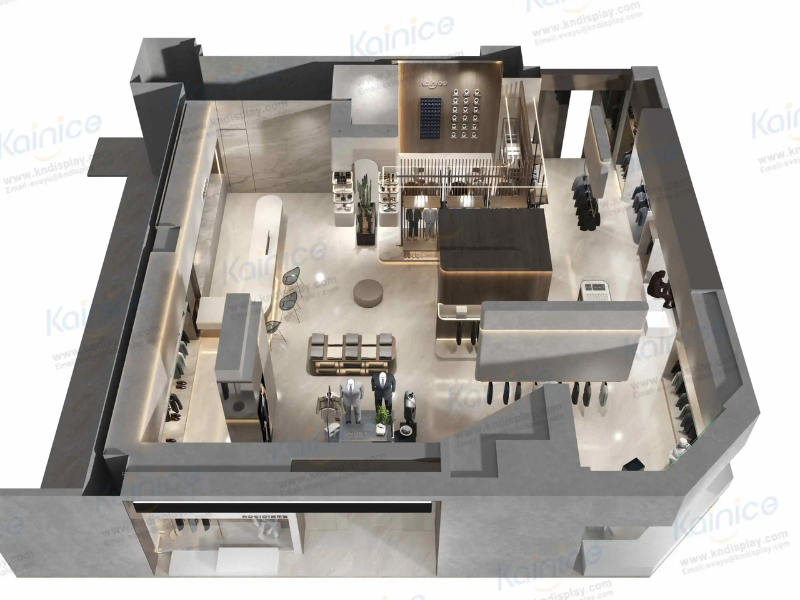
The Humble Beginnings: Function Over Form
In the beginning, the display rack had one singular job: to hold merchandise. Think of the classic pegboard walls in hardware stores or the simple metal grid shelving in storerooms. These fixtures were purely functional. Their value was measured solely by weight capacity and item density per square foot. Design, brand alignment, and customer experience were not considerations. Manufacturing focused on durability and low cost, resulting in generic, mass-produced units. For decades, this was the standard. A display rack was a commodity—an anonymous, silent servant in the background of commerce. While it served its basic logistical purpose, it did nothing to elevate the products or engage the customer. It was a solution to a storage problem, not a component of marketing.
The Shift to Brand-Centric Design
As retail markets grew more competitive, a clear shift occurred. Brands recognized the power of a cohesive identity, and store fixtures evolved from generic to custom-designed. A simple rack became a three-dimensional expression of the brand's visual identity, from its logo to its color palette.
The display rack was no longer just a shelf; it became a brand ambassador. Retailers began to think creatively about bringing their brand to life by integrating design with function. The choice of materials started to tell a story: polished wood conveyed warmth and craftsmanship for a heritage brand, while sleek metal and clear acrylic communicated modernity and precision for a tech-focused label. Engineering priorities expanded beyond mere strength to include aesthetics, clean lines, and seamless integration with store architecture. A furniture brand might use display racks that resembled elegant room dividers, while a luxury fashion house would opt for minimalist structures that treated the clothing as art. This era marked the rise of custom fabrication, where engineering met creative culture to strengthen a brand's image on the global stage.
The Integration Era: Blending Form, Function, and Technology
The next evolutionary leap was driven by technology and a deeper understanding of consumer psychology. The goal expanded from displaying products to creating an interactive experience. This gave birth to the integrated display rack. These modern units represent a fusion of material science, intelligent engineering, and digital innovation.
Imagine a display rack that serves a purpose beyond mere holding. It incorporates discreet digital screens or tablet holders to stream promotional videos, how-to guides, or styling tips directly at the point of decision. More advanced units feature interactive elements like NFC tags or touch sensors, linking the physical product to a digital world of reviews, tutorials, or customization options. Developing these integrated features requires a manufacturer with a comprehensive and advanced skill set—expertise in precise metalwork, fine woodworking, acrylic shaping, and electronic assembly. It demands a robust research and development team to prototype and test these hybrid solutions. The modern display rack thus becomes an engagement hub, designed to prolong dwell time, answer customer questions intuitively, and guide shoppers smoothly toward a purchase.
The Storytelling Powerhouse: Creating Immersive Narratives
The leading edge of display rack evolution today is its role as an integrated brand storytelling unit. Modern retail is less about simple transactions and more about forging emotional connections and building immersive narrative environments.
This is where modular design and smart manufacturing truly shine. Instead of relying on static fixtures, brands can deploy systems of modular components—plinths, shelves, frames, and interactive kiosks—that can be reconfigured to tell different stories. A cosmetics brand might create a "skincare journey" display rack, with each shelf dedicated to a step in a routine, complete with embedded lighting and product information. A sporting goods store could build a miniature climbing wall or product test zone directly into the rack structure. Crafting these complex narrative units requires an unprecedented scale of operation and specialization. It involves separate, dedicated facilities: one for the high-volume, automated production of metal frames; another for the delicate finishing of wooden components; a specialized electroplating center for flawless metallic surfaces; and a tech-integration base for assembling electronic modules. This level of coordinated manufacturing ensures that a custom storytelling unit is not only aesthetically beautiful and highly functional but also produced with the consistency, quality, and efficiency required for a global rollout. The display rack becomes the stage, the narrator, and the interactive guide for the brand's story.
The Future Built on Expertise and Scale
Looking forward, the evolution of the display rack will be guided by sustainable innovation, hyper-personalization, and even deeper technological integration. Future fixtures will likely be crafted with eco-conscious materials and processes and may even feature embedded IoT sensors that gather anonymous data on customer interaction.
Realizing this future depends on partnerships with forward-thinking manufacturers whose foundation is built on deep experience, immense scale, and technical mastery. It requires a partner with nearly two decades of experience, operating across vast, specialized facilities—from smart manufacturing hubs with robotic welding to pristine electroplating workshops and automated paint lines. This industrial capacity, backed by extensive patents and a large engineering team, is what transforms a creative vision for a storytelling display rack into a reliable, manufacturable, and impactful retail reality. This journey—from a simple shelf to the narrative core of a store—proves that even the most fundamental retail element can become the most important medium for a brand's conversation with the world.